How Gutter Cleaning Hackettstown Can Extend Gutter Lifespan
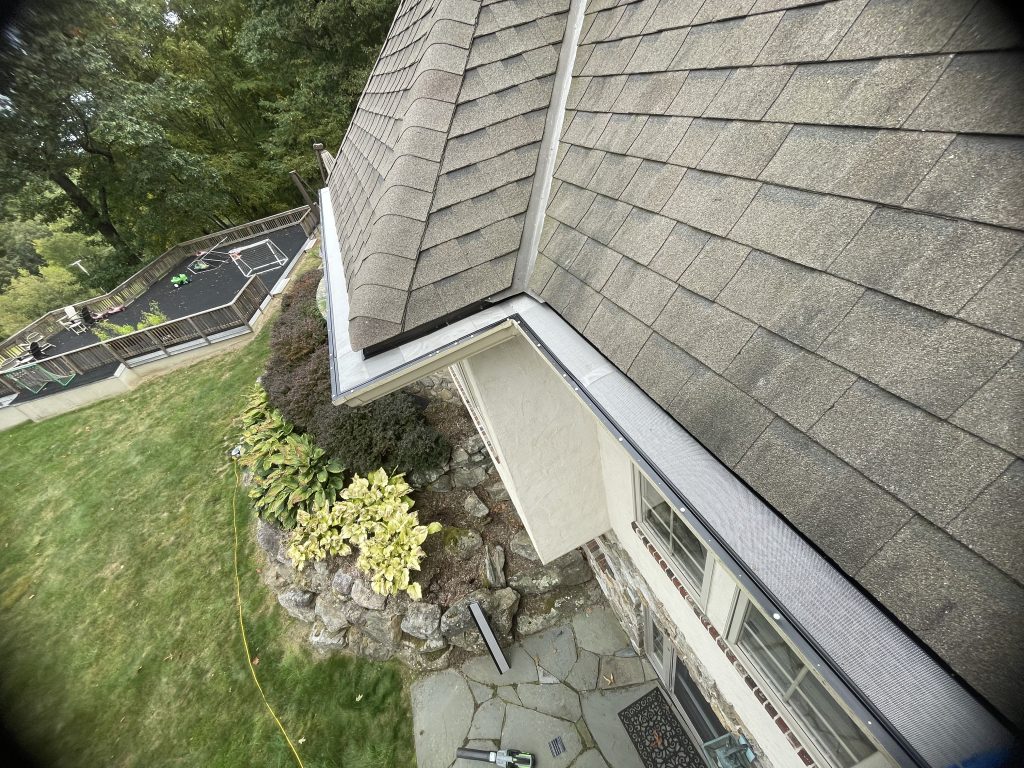
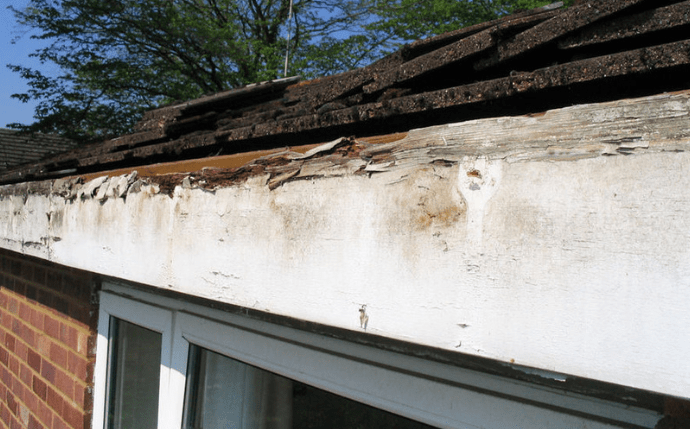

A gutter system rarely gets much attention until it fails. By the time a homeowner notices peeling fascia paint, overflowing corners, or water pooling near the foundation, the damage has usually been building for months, sometimes years. Gutters are simple in concept, but they work in a demanding environment. They sit exposed through heat, rain, wind, ice, pollen, leaves, and roof grit, all while carrying thousands of gallons of water away from the house every year.
That is why regular Gutter Cleaning Hackettstown homeowners schedule is not just a housekeeping chore. It is a form of preventive maintenance that can add meaningful years to the life of the gutter system itself. Clean gutters drain properly, weigh less, corrode more slowly, and place less stress on fasteners, seams, and downspouts. Neglected gutters do the opposite. They trap moisture, collect debris that turns acidic as it breaks down, and create backups that strain every part of the assembly.
In a place like Hackettstown, that matters even more than many people realize. North Jersey homes deal with heavy spring rains, summer storms, falling leaves in autumn, and freeze thaw cycles in winter. Each season tests gutters in a different way. If the troughs are already packed with debris when those seasonal shifts arrive, the wear accelerates fast.
What shortens gutter life in the first place
Most gutters do not fail because the metal suddenly gives out. They fail because a chain of small problems goes unaddressed. A little clog causes standing water. Standing water adds weight and keeps the inside of the gutter wet longer than it should. Wet debris settles in corners and seams. Fasteners begin to loosen. Water starts spilling over the front or backing up under the shingles. The wood behind the gutter stays damp. By the time someone notices a visible sag, the gutter has already been under stress for a long time.
That pattern is common on homes with mature trees nearby, which describes many neighborhoods in and around Hackettstown. Leaves are the obvious culprit, but they are far from the only one. Pine needles pack tightly and are surprisingly stubborn. Seed pods, shingle granules, twigs, and roof moss all contribute. Even homes with minimal tree cover still collect asphalt grit from the roof, and that grit settles into the bottom of the gutter like sandpaper mixed with sludge.
Once that material stays wet, it changes the environment inside the gutter. Aluminum can oxidize. Steel components rust. Sealants at joints https://sethzvag703.solsticebrief.com/posts/gutter-cleaning-hackettstown-protecting-homes-one-season-at-a-time and end caps lose adhesion faster when exposed to constant moisture. Hangers and spikes carry more weight than they were meant to. None of this happens overnight, which is exactly why homeowners underestimate it.
Clean gutters shed water the way they were designed to
A gutter’s main job is not to hold water. It is to move water quickly. When the channel is clear, rain flows toward the downspouts with relatively little resistance. That quick drainage is what protects the system. The less time water spends sitting in the trough, the less opportunity it has to exploit weak spots.
I have seen gutters on older homes last well beyond expectations simply because they were kept clean and resecured as needed. I have also seen newer systems, less than ten years old, look tired and deformed because they spent season after season carrying rotting debris and standing water. Age matters, but maintenance matters more than many homeowners think.
Proper drainage also reduces overflow. Overflow may seem like a roof runoff issue, but it often feeds back into gutter deterioration. When water repeatedly pours over one section, it can stain siding, erode the soil below, and splash back against the gutter’s outer face. It also indicates that the system is under strain, whether from clogs, poor pitch, or undersized downspouts. Addressing the cleaning side of that equation is usually the first and simplest step.
Debris acts like a wet blanket inside the trough
Leaves alone do not destroy gutters. Wet, decomposing organic matter does.
When debris accumulates and stays damp, it creates a persistent moisture layer against the gutter material. Instead of drying between storms, the bottom of the trough stays saturated. That matters because most gutter materials last longest when they can cycle between wet and dry quickly. Extended dampness speeds corrosion, especially around seams, rivets, screw heads, and corners where water tends to linger.
There is also a weight issue that homeowners often overlook. Dry leaves are light. Waterlogged leaves are not. Add compacted sludge and trapped water, and the load rises dramatically. On a long run of gutter, that extra weight can be enough to pull the system away from the fascia or subtly bend the metal over time. Once the pitch changes, drainage gets worse, which means even more standing water. It becomes a self-reinforcing problem.
Hackettstown properties with overhanging maples or oaks often see this in the fall. At first the gutter may still appear functional from the ground. Rainwater disappears from sight, and nothing looks obviously wrong. Then winter arrives, temperatures dip, and those packed leaves freeze in place. Now the gutter is not just clogged, it is carrying a rigid mass that expands and contracts with the weather. That is hard on brackets, joints, and corners.
Freeze thaw cycles can turn a minor clog into structural stress
Cold weather changes the stakes. A partially blocked gutter in September may be an inconvenience. The same blockage in January can become a mechanical problem.
When water cannot drain freely, it collects in the gutter and around the downspout opening. If temperatures drop below freezing, that trapped water hardens into ice. Ice is heavier than flowing water, and it does not adapt well to confined spaces. It adds downward force to hangers and lateral pressure to seams. Repeated freeze thaw cycles can open joints, distort end caps, and loosen attachment points from the fascia board.
This is one reason Gutter Cleaning Hackettstown service is often best scheduled before late fall debris fully settles in. A pre winter cleaning gives the system its best chance of entering the cold season empty and able to drain. It does not guarantee there will never be ice, because roof temperatures and attic insulation also affect that, but it greatly reduces the chance that a clog will trap water where it should not stay.
On homes that already have slight pitch problems, winter often exposes them. A gutter that holds even a shallow strip of water after each storm will age faster than one that drains fully. Cleaning alone may not correct pitch, but regular cleaning reveals these flaws sooner. That allows for minor adjustments before long term damage takes hold.
The downspouts matter as much as the troughs
A gutter can look clear from above and still be functionally clogged if the downspouts are blocked. This is a frequent source of confusion. Homeowners remove visible leaves, assume the job is done, then wonder why water still spills over near the corners.
Downspouts collect dense material. Roof grit, seed pods, and small twigs often wash toward the outlet and jam in the elbows. Once a partial clog forms there, water backs up into the gutter run. The trough begins behaving as though it is undersized, even when the real issue is restricted discharge.
That backup places stress on the nearest seams and fasteners because the water level remains elevated longer during storms. Over time, repeated backups can create staining, seepage at joints, and overflow patterns that rot fascia boards. Cleaning that includes flushing and checking downspouts is what protects lifespan, not merely scooping out the visible leaf layer.
I have seen plenty of systems that seemed ready for replacement but recovered once the downspouts were fully opened and the pitch was corrected in one or two locations. The lesson is straightforward. Drainage is only as good as the narrowest point in the system.
Small maintenance visits prevent large repair bills
There is a practical financial case for regular cleaning. A professional cleaning is relatively inexpensive compared with replacing sections of gutter, repairing fascia rot, repainting trim, or dealing with foundation water problems. More importantly, cleaning preserves components that are difficult to notice from the ground.
Sealant around miters, for example, does not last forever. It degrades gradually. If the gutter is always packed with damp debris, those seals fail sooner. The same goes for hidden hangers and screws. Corrosion often begins at the fastener level. By keeping debris and standing water to a minimum, you slow that process.
The other advantage is visibility. A clean gutter is easier to inspect. Cracks, pinholes, slight sagging, and joint separation show up more clearly when they are not buried beneath leaf matter. That gives homeowners or contractors a chance to make targeted repairs. A single resealed joint or a few replaced hangers can add years to the service life of an otherwise sound system.
For many homes, the difference between a gutter lasting 12 to 15 years versus 20 years or more comes down to whether it was maintained consistently. Material quality plays a role, of course. So does installation quality. But maintenance is the factor owners can most directly control.
Hackettstown conditions put gutters through a full seasonal cycle
Local conditions shape maintenance needs. Hackettstown is not a one season gutter market. Spring usually brings pollen, blossoms, and frequent rain. Summer storms can dump water quickly, testing how well the system drains under peak load. Fall adds leaf volume, often in waves rather than all at once. Winter brings the freeze thaw pattern that exposes weak drainage and loose components.
That year round variety is why a one time cleaning every few years rarely works. Even homes that are not surrounded by trees can develop enough accumulation to interfere with drainage, especially if the roof sheds granules or the property sits where windblown debris collects. Homes near wooded lots generally need more attention, and homes under pine trees often need it sooner than expected because needles can bypass some guards and compact around outlets.
There is also the issue of storm intensity. A system that seems adequate during light rain may overflow during a summer downpour if the gutter is partially restricted. Those intermittent, high volume storms are particularly revealing. They show whether the gutter is merely present or actually functioning at capacity.
Signs your gutters are aging faster than they should
Some gutter wear is normal. The question is whether the wear is consistent with age or being accelerated by neglect. A few clues point strongly toward the second scenario.
- water spilling over the front edge during moderate rain
- visible plant growth or dark sludge in sections of the gutter
- gutters pulling away from the fascia or showing a waviness along the run
- staining on siding, soffits, or trim below the gutter line
- puddling near the foundation directly beneath roof edges
These signs do not always mean replacement is necessary. In many cases they mean the system has been operating under avoidable stress. A thorough cleaning and inspection often clarifies whether the gutter still has useful life left or whether certain sections have already crossed the line into repair or replacement territory.
Cleaning frequency depends on the property, not a generic rule
Homeowners often ask how often gutters should be cleaned, hoping for a universal answer. In practice, frequency depends on tree coverage, roof design, local wind exposure, and how the previous season behaved. A heavily wooded property may need attention two to four times a year. A more open lot might do well with one major fall cleaning and one spring check. The right schedule is the one that prevents buildup from becoming compacted and waterlogged.
Two timing windows tend to matter most. Late spring or early summer helps clear pollen residue, seed drops, and debris from spring storms. Late fall, after most leaves have come down, prepares the system for winter drainage. On some properties, an extra mid fall visit is worthwhile because waiting until every leaf has dropped allows the first wave to sit too long.
This is where local judgment matters. A contractor who routinely handles Gutter Cleaning Hackettstown homes will usually know which neighborhoods deal with heavier leaf load, which tree types create the worst outlet clogs, and how local winter patterns affect maintenance timing.
Gutter guards help in some cases, but they are not a substitute for cleaning
Gutter guards have their place, but they are often misunderstood. They can reduce the volume of large debris entering the trough, and on the right house they can lengthen the interval between cleanings. What they do not do is eliminate maintenance. Fine particles still get in. Roof grit still washes down. Some guard designs collect debris on top, which then needs removal to keep water flowing into the gutter.
There are also trade offs. Certain guards perform well under broad leaf trees but poorly under pines. Some are easier to inspect than others. Some make cleaning more time consuming because sections have to be removed to access compacted material underneath. Homeowners sometimes install guards expecting to solve all gutter problems, then neglect the system for years. The result can be worse because clogs become hidden until overflow appears.
When guards are used thoughtfully, they can protect lifespan by reducing accumulation. When they are treated as a permanent escape from maintenance, they often delay detection of the very issues that shorten gutter life.
Why professional cleaning often extends lifespan more effectively than occasional DIY work
Many homeowners handle their own gutter cleaning, and there is nothing inherently wrong with that if it is done safely and thoroughly. The challenge is that DIY cleanings often focus on what is easy to see. Leaves get scooped out, but downspouts are not fully flushed. Minor slope issues go unnoticed. Loose hangers are spotted but not tightened. Seal failures at corners are missed because they are small and dry at the moment of inspection.
A professional approach tends to be more systematic. The gutter is cleared, the downspouts are tested, the pitch is observed, and attachment points are checked. Small issues can be flagged before they become expensive ones. That inspection component is part of what extends lifespan. You are not only removing debris, you are catching wear while it is still manageable.
Safety is also part of the equation. Homes with steep rooflines, second story sections, or awkward terrain around the foundation can make ladder work risky. Skipping cleanings because access is difficult is common, and that delay is what lets damage accumulate. A reliable service schedule solves that problem before it becomes structural.
What homeowners can do between cleanings
Even if you hire the work out, a little observation goes a long way. After a strong rain, take a quick walk around the house. Watch for overflow at corners, water running behind the gutter, or one downspout discharging much less than the others. Those field checks often reveal developing problems earlier than seasonal scheduling alone.
It also helps to look at the ground beneath the roof edges. Fresh mulch that has been displaced, trenches in flower beds, and damp streaks on siding are all clues that water is not being controlled properly. These are the small details that often tell the real story of gutter performance.
If trees overhang the roof heavily, modest trimming can reduce debris load, though it will not eliminate the need for cleaning. The goal is not to create a maintenance free system. It is to reduce stress on the one already there.
The longer view: maintenance preserves the whole drainage system
When people think about gutter lifespan, they usually focus on the metal channels attached to the house. But the true system includes hangers, seams, downspouts, elbows, splash blocks or drain connections, fascia boards, soffits, siding, and the soil around the foundation. Clean gutters support all of it.
That broader perspective is what makes regular Gutter Cleaning Hackettstown such practical maintenance. It protects the visible hardware and the hidden surfaces behind it. It reduces the chance of standing water, slows corrosion, limits winter stress, and makes inspections more meaningful. Most importantly, it interrupts the gradual pattern of neglect that turns a repairable gutter into a replacement project.
A gutter system does not need much glamour to be valuable. It just needs to stay clear, stay aligned, and keep water moving. When that happens consistently, lifespan follows.
Just Gutters LLC
Address: 262 Main St, Hackettstown, NJ 07840
Phone number: +12013319454
FAQ About Gutter Cleaning Hackettstown
How much should a gutter clean cost?
Professional gutter cleaning typically costs between $163 and $333, with a national average of around $210 to $250 for a standard-sized home.
What months should you clean gutters?
You should clean your gutters twice a year—once in late autumn (November to December) and once in late spring (April to May).
Is it worth paying for gutter cleaning?
Yes, paying for gutter cleaning is worth it because it prevents thousands of dollars in water damage, roof leaks, and structural repairs.